
2023

Man wearing round glasses and bow tie Man wearing round glasses and bow tie

In Brown v. New York City Dept. of Educ., No. 157642/2020, 2023 WL 173201, 2023 N.Y. Slip Op. 30106(U) (N.Y. Sup Ct, New York County Jan. 12, 2023), the court, inter alia, denied defendant’s motion to dismiss plaintiff’s national origin discrimination claims (in part) against the NYC Dept. of Education. From the decision: With respect…

Read More National Origin Discrimination Claims Proceed Against NYC Dept. of Education
Share This:

Man in suit with bow tie at courthouse Man in suit with bow tie at courthouse

In Zepeda v. Halftime Bar & Grill Corp., 2023 WL 266504 (E.D.N.Y. Jan. 18, 2023), a hostile work environment/sexual harassment case, the court, inter alia, awarded plaintiff $25,000 in emotional distress damages following defendants’ default. From the decision: For “garden variety” emotional distress claims, where a plaintiff did not seek medical treatment but the plaintiff’s…

Read More Sexual Harassment Plaintiff Awarded $25,000 in Emotional Distress Damages Following Defendants’ Default
Share This:

Post thumbnail

After the plaintiff has filed and served the complaint, received the answer (or overcome a motion to dismiss), and conducted and completed discovery, we reach a point where a party may seek a remedy called “summary judgment.” (While technically a party may move for summary judgment before the close of discovery, it typically occurs after…

Read More Anatomy of a Lawsuit, Part 5: Summary Judgment
Share This:

New York City skyline at golden sunset New York City skyline at golden sunset

Plaintiff has filed and served their Complaint, and the Defendant has either filed their Answer, or made a motion to dismiss which the Court has denied. At this point, we enter the most involved, costly, and time-consuming stage of litigation: Discovery (“Disclosure” in New York practice).  (If this were a cross-country road trip from New…

Read More Anatomy of a Lawsuit, Part 4: Discovery / Disclosure
Share This:

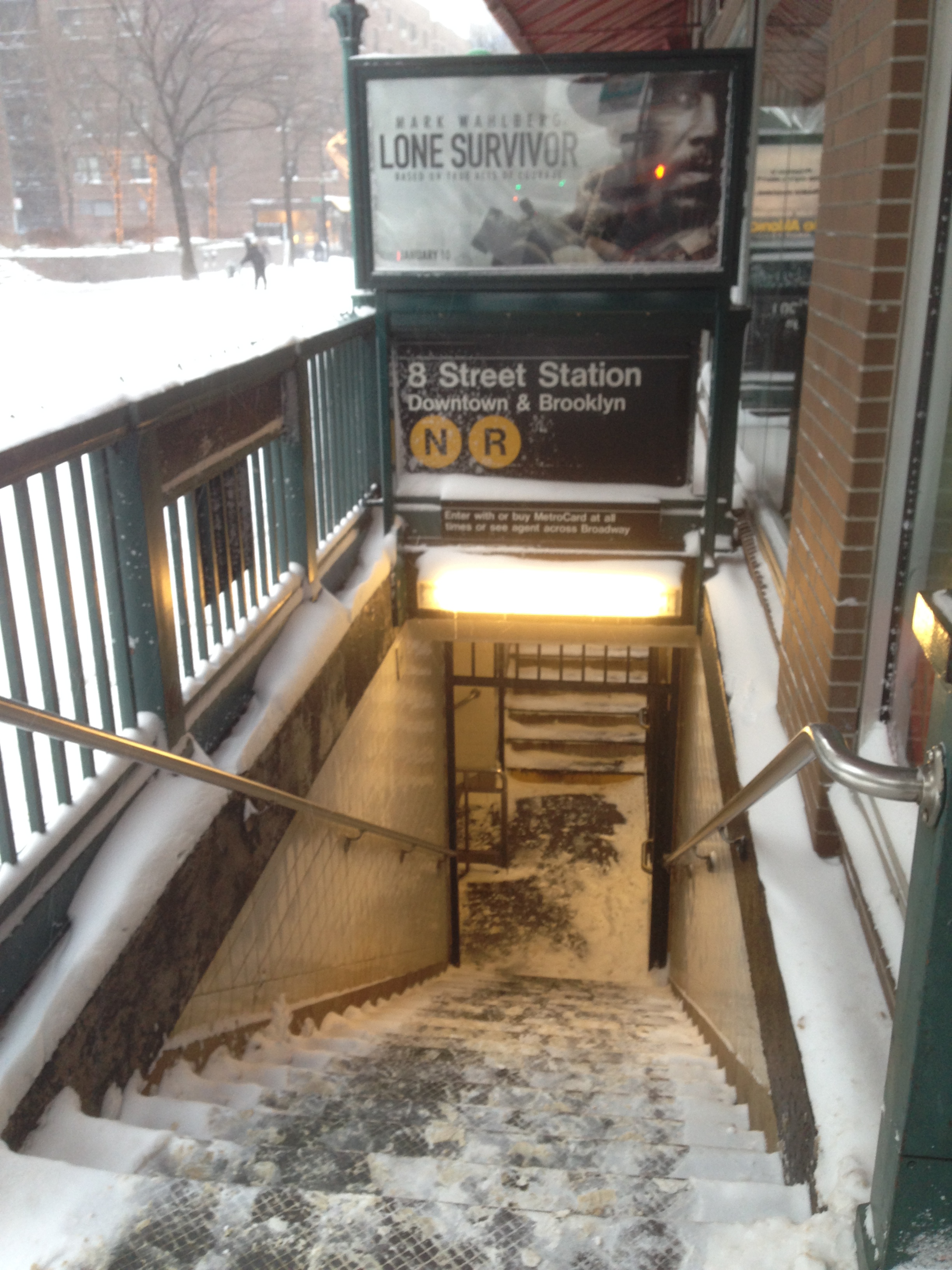
Snowy entrance to 8th Street subway station Snowy entrance to 8th Street subway station

Now that the papers have been appropriately served, the ball shifts to the defendant(s), who have several options. Generally, this boils down to 3 options: (1) default; (2) submit an answer; or (3) make a motion to dismiss.  Default Where a defendant defaults – i.e., fails to submit an answer or responsive pleading , the…

Read More Anatomy of a Lawsuit, Part 3: Defendant’s Move – Default, Answer, Motion to Dismiss
Share This:

Close-up of White House on US dollar Close-up of White House on US dollar

Now that the plaintiff has filed the Summons and Complaint (or, if in federal court, filed the Complaint and received the Summons issued by the court), they must “serve” these documents on the defendant(s). There are highly detailed and technical rules governing this process (see, e.g., FRCP 4; CPLR Article 3) which is beyond the…

Read More Anatomy of a Lawsuit, Part 2: Service of Process
Share This:

Brindle English bulldog standing on grass Brindle English bulldog standing on grass

Every war begins with a first shot. In the context of litigation, that first shot is the timely filing of a complaint in an appropriate court – i.e., one that has both “subject matter jurisdiction” over the dispute and “personal jurisdiction” over the defendant(s). The one doing the filing is the “plaintiff” (who is comPLAINing…

Read More Anatomy of a Lawsuit, Part 1: The Summons & Complaint
Share This:

Green quotation marks on black background Green quotation marks on black background

Title VII of the Civil Rights Act of 1964 prohibits employment discrimination based on race, color, religion, sex and national origin. 42 U.S.C. 2000e et seq. (emphasis added). The statute further provides that The term “religion” includes all aspects of religious observance and practice, as well as belief, unless an employer demonstrates that he is…

Read More What is “Religion” Within the Meaning of Title VII?
Share This:

Smiling man in suit and red striped tie Smiling man in suit and red striped tie

The anti-discrimination laws, including Title VII of the Civil Rights Act of 1964, the New York State Human Rights Law, and the New York City Human Rights Law prohibit (inter alia) discrimination based on “national origin.” See 42 U.S.C. § 2000e–2(a)(1). The regulations flesh out this aspect of Title VII as follows: The Commission defines…

Read More “National Origin” Discrimination Under Title VII Etc.
Share This:
© 2026 Pospis Law, PLLC. All Rights Reserved.